★★★★★
“We retired two layers of IVR. Calls are quicker, friendlier and we’re booking more first‑time appointments.”
Compare AI receptionist with traditional IVR (Interactive Voice Response). See how natural language routing boosts conversion and customer experience vs keypad menus — and follow our phased migration plan to modernise without risk.
IVR was designed for cost control; AI is built for customer experience and conversion.
Best practice: run IVR as fallback, AI as front door.
Estimate impact with the ROI Calculator.
Score each statement; 4+ “Yes” suggests immediate AI rollout.
Score the five statements honestly — a “maybe” is a no. Four or five yeses means you’re ready for an AI-first rollout; two or three suggests hybrid; fewer means stay on IVR for now and revisit once booking or lead capture becomes the bottleneck rather than routing.
Start hybrid: AI as the front door, IVR retained only as a DTMF fallback for accessibility and compliance flows. Run both in parallel for one to two weeks while you watch abandonment, first-call resolution and booking rate. Turn off the fallback once the metrics show parity or better.
A practical view across the metrics that matter.
| Metric | AI Receptionist | IVR (Keypad Menus) |
|---|---|---|
| User experience | Natural speech, no menus, handles interruptions | Press‑1 menus; multi‑layer trees cause drop‑offs |
| Routing accuracy | Intent detection + context; fewer transfers | Rigid options; wrong key → restart |
| Capabilities | Booking, lead capture, confirmations | Basic DTMF collection and queueing |
| Coverage | 24/7, many callers at once | 24/7 possible, but same friction |
| Analytics | Transcripts, outcomes, conversion, A/B prompts | Menu time and abandonment only |
| Costs | From ~£9.99/mo; scales with value | Per‑minute platform + build/maintain trees |
| GDPR | UK/EU hosting; encryption; DPA | Depends on legacy vendor; limited controls |
Fewer menus → less effort → more booked work.
AI lets callers explain their need in a sentence rather than navigate three layers of keypad options. It confirms, asks clarifying questions if needed, and gets them to the outcome in one flow — interruptible, accent-tolerant, and far less frustrating than “press 9 to go back to the main menu”.
An IVR ends at a queue. AI can complete the task itself: book the appointment, reschedule the visit, capture the lead with validation, send the SMS confirmation, and escalate the genuine emergencies to a human. See Live Transfer & Routing for how that escalation works in practice.
How speech routing, safeguards and analytics work end‑to‑end.
Support seniors, disabilities and language preferences.
Keep a “press 1” DTMF fallback running for the first few weeks so older callers and accessibility users have a familiar path. Write speech prompts that are clear and not too fast, allow callers to ask for repeats, and use colloquial UK phrasing rather than American call-centre script language.
Apply WCAG principles to voice UI where applicable — clear language, predictable structure, no time-pressure on responses. Record consent and provide alternative paths early in the greeting rather than after frustration. Document the disclosure script and store consent timestamps as part of the audit trail.
Modernise without risking your call flows.
Hard-code emergency keyword triggers (“emergency”, “urgent”, “chest pain”) for instant live transfer. Maintain VIP lists with priority routing rules. Read compliance prompts and disclosures word-for-word, capturing consents with timestamps and producing an audit trail you can show without panic.
Full implementation step list in the Buyer’s Guide.
Brief staff on the new escalation etiquette before launch — who picks up VIP transfers, how AI summaries arrive, what to say when a caller mentions “I just spoke to the robot”. Share example transcripts in week one so the team trusts the system. Collect caller feedback openly and iterate prompts weekly through month one.
What different teams gain by replacing IVR.
First‑time booking, rescheduling, reminders; reduce repeats and no‑shows.
Evidence behind CX and conversion claims.
Nested DTMF trees consistently increase abandonment and repeat calls because callers either mis-key, time out, or give up navigating. Intent-based routing collapses three menu layers into one short conversation, which is why first-call resolution metrics typically move sharply in AI’s favour within the first 30 days. See Ofcom guidance and UK CX studies for context on what good looks like.
Compare like-for-like: same lines, same hours, same demand window. Track abandonment, first-call resolution and booking rate at day 30, 60 and 90 after migration. Report medians plus 95th-percentile latency rather than averages so the tail behaviour shows up — averages hide the calls that go badly.
From call containment to revenue generation.
IVR contains cost by deflecting callers into a menu and hoping they self-serve. AI inverts the model: it converts demand by booking work, capturing qualified leads and triaging emergencies in real time. The result is a measurable revenue line rather than just a fractionally cheaper switchboard.
Most UK SMEs reach payback with a handful of extra bookings per month — sometimes one if the job value is high (loft conversions, dental implants, legal consultations). Model your own numbers with the AI Receptionist ROI Calculator before committing.
Choose UK or EU hosting, encryption at rest and in transit, role-based access and a signed Data Processing Agreement. Define retention and deletion policies up front rather than as a future task — that conversation is easier before launch than during an ICO query.
How to sidestep common migration issues.
The biggest mistake teams make is copying their IVR menus verbatim into AI — that wastes the conversational interface and recreates the old friction. The second is launching without live-transfer rules for genuinely urgent calls. The third is going live without test calls and transcript review. The fourth is forgetting to tell staff how the new escalation etiquette actually works in practice.
Start narrow: nail the top one or two intents (booking, emergency triage) before expanding. Offer “press 1” as an inclusive fallback for the first few weeks. Use SMS confirmations and reminders to cut no-shows. Measure abandonment, first-call resolution and booking rate — they’re the three numbers that move first.
See Appointment Booking and Live Transfer.
Real outcomes from clinics, trades, salons and agencies.
“We retired two layers of IVR. Calls are quicker, friendlier and we’re booking more first‑time appointments.”
“AI routes emergencies instantly and captures routine quotes. Abandonment time in menus is gone.”
“We kept ‘press 1’ during the first week then turned it off. NPS jumped; fewer repeat callers.”
“Analytics and transcripts make continuous improvement easy. The IVR era is over for us.”
From IVR to AI — 90-day outcomes across six sectors.
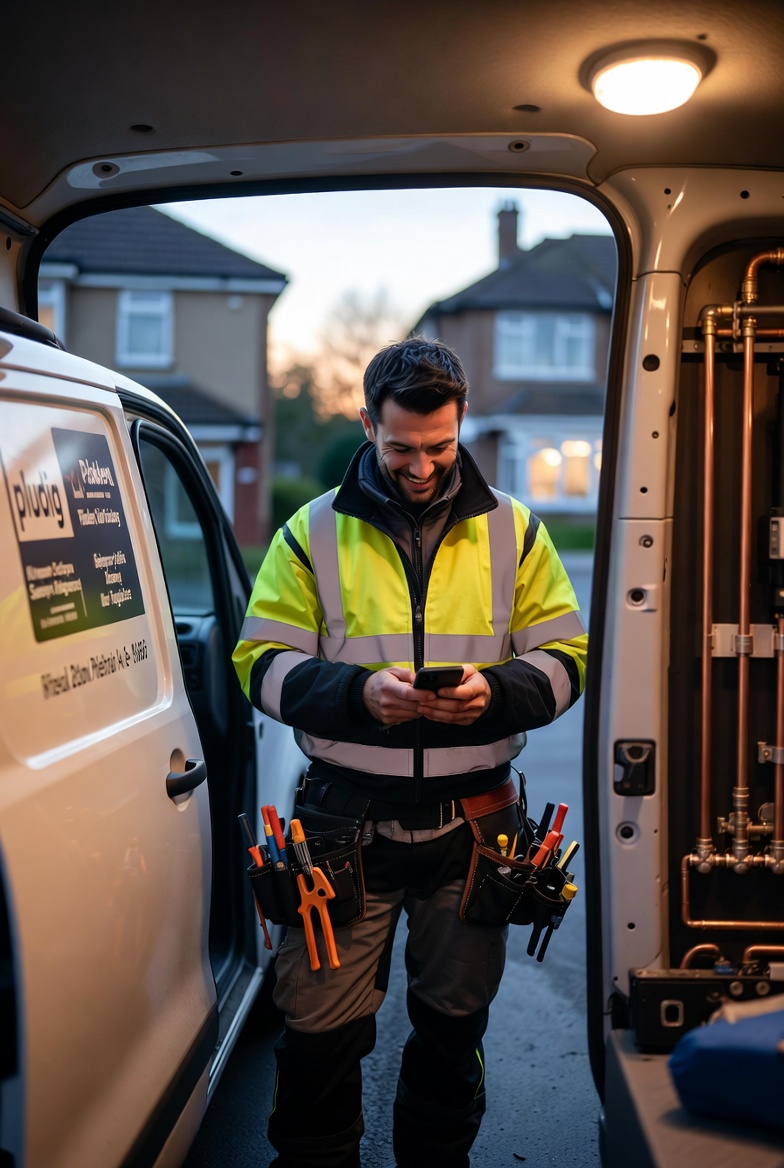
A small plumbing team was losing emergency boiler jobs while on site. Team-Connect AI answered every call instantly, triaged urgency, and booked callbacks — turning missed calls into revenue.

Reception staff overwhelmed with calls during peak hours meant patients heard voicemail. The AI receptionist now handles overflow, books hygiene and check-up slots, and sends SMS confirmations automatically.

Prospective clients calling during consultations went to voicemail and rarely called back. The AI now captures every enquiry, explains services, and books initial consultations — tripling conversion rates.

Buyers browsing portals at 9pm had nowhere to call. Team-Connect answers out of hours, captures property interest, takes viewing requests, and the agent wakes up to a full diary.

High-value renovation enquiries were going unanswered during site work. The AI captures project scope, property type, and budget — so the builder calls back with a qualified lead ready to convert.

Stylists can't answer phones mid-appointment. The AI handles booking requests, explains services and pricing, and sends confirmation texts — every chair now stays booked solid.
Deeper reading on AI vs IVR, missed calls, porting and the PSTN switch-off.

Missed calls cost UK SMEs billions each year. Why AI receptionists have become essential — and how to get started for less than a fiver a month.

How Team-Connect's AI answers calls round the clock — handling enquiries, booking appointments, triaging emergencies and sending instant summaries.

How much revenue do you lose every time the phone rings and nobody answers? The real annual cost of missed calls for UK SMEs — and the cheapest way to fix it.

VoIP, SIP, hosted PBX, AI-powered — every option for UK businesses choosing a phone system in 2026, and how to pick the right one for your budget.

BT is switching off copper landlines by January 2027. Exactly what UK small businesses need to do to avoid disruption — and how to switch in minutes.

Keep your existing UK landline number but answer calls on your mobile. Step-by-step guide to porting safely, with no downtime.
Choose the model that fits your callers and team.
Suitable for simple account lookups with strict DTMF needs.
AI as front door; keypad fallback for accessibility during transition.
Natural language routing, booking, lead capture and analytics.
UK IVR and AI receptionist terminology.
Keypad menu that routes calls via DTMF options.
Dual‑tone multi‑frequency tones sent when pressing phone keys.
The caller’s underlying goal (book, reschedule, emergency, quote).
Issue resolved in one call without transfers or repeats.
Straight answers to common migration questions.
Written by Team‑Connect Editorial • Reviewed by UK CX lead • Last updated: 2026‑01‑18
Our editorial follows a fact‑check policy with weekly updates based on transcripts, metrics and user feedback.
Start a free trial, forward your calls and run AI alongside IVR for a week. Keep your UK number, enable live transfer and see the difference in bookings and NPS.